Playlists Don't Lie, But They Might Be Killing Your Favorite Underground Sound
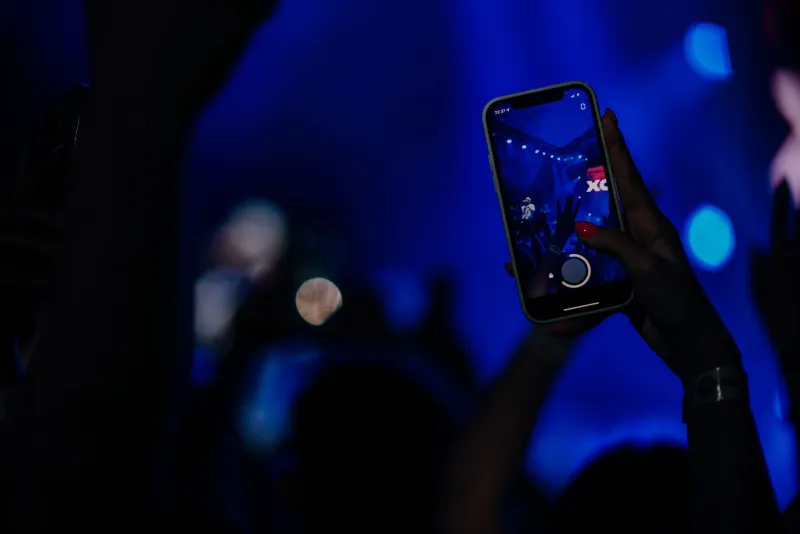
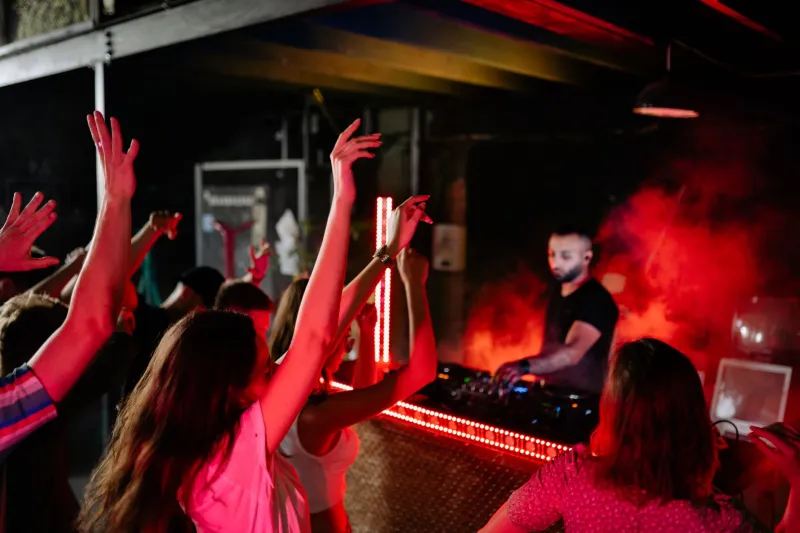
Picture this: it's 1 AM at a packed club in Brooklyn. The DJ is deep in a set, layering textures, reading the crowd, building something that feels like it exists only in this room, only tonight. Then they drop a track that's been sitting at the top of Spotify's Dance/Electronic chart for three weeks straight. The crowd goes absolutely nuts — phones up, hands in the air. The DJ smiles. The algorithm wins again.
Is that a problem? Depends who you ask.
Streaming platforms and short-form video apps have fundamentally rewired how people discover music. That's not a hot take — it's just the reality of 2024. What's less discussed is how that rewiring is rippling all the way down to what gets played in clubs, who gets booked at festivals, and whether the underground sounds that defined American electronic music culture even stand a chance anymore.
The Data Behind the Decks
Let's talk numbers for a second. Spotify has over 600 million active users globally, with a massive chunk of that base in the US. Its algorithmic playlists — Discover Weekly, Release Radar, the mood-based mixes — generate billions of streams and have the power to turn an unknown producer into a household name overnight. TikTok's For You Page has done the same thing, but faster and louder.
For artists trying to break through, this is genuinely exciting. The gatekeepers of the old music industry — the labels, the radio programmers, the tastemaker blogs — no longer hold all the keys. A bedroom producer in Atlanta or Albuquerque can drop a track, hit the algorithm right, and find themselves with a fanbase before they've ever played a live show.
But here's the flip side: those same algorithms are optimizing for engagement, not artistry. They reward what gets saved, skipped less, shared more. And what tends to check those boxes? Familiar sounds. Accessible structures. Songs that feel like something you've already heard but slightly better.
DJs Caught in the Middle
We talked to several working DJs — from club residents in Miami and LA to touring acts on the festival circuit — about how streaming culture has changed what they play.
"There's definitely pressure," admitted one DJ who's been working clubs in Miami for over a decade and asked to stay anonymous. "Promoters will straight-up ask if you're going to play tracks people know from TikTok. It's not always said out loud, but it's implied. Crowds have been conditioned to recognize songs from their feeds, and if they don't recognize something, they check out faster than they used to."
Another DJ, based in Chicago and known for deep house sets, put it more bluntly: "The algorithm has shortened attention spans on the dancefloor. I used to be able to take people on a 20-minute journey through something unfamiliar and they'd be with me. Now if I go more than two or three tracks without something they've heard, I can feel the energy drop."
Not everyone sees it as purely negative, though. DJ and producer Kira Solano, who operates out of Los Angeles and has built a following through both club nights and a strong streaming presence, says the tools are what you make of them.
"I use the algorithm to my advantage," she said. "I study what's moving on the platforms, I see what my audience is responding to, and then I find ways to introduce them to stuff that's adjacent to that — stuff they wouldn't have found on their own. It's like a Trojan horse. You hook them with something familiar and then slide in the weird stuff."
The Underground's Existential Moment
Here's where it gets genuinely complicated. Electronic music in America has deep roots in communities that built their scenes specifically outside the mainstream — Chicago house, Detroit techno, New York's ballroom scene. These sounds were never meant to top charts. They were community music, made by and for people who needed spaces that were theirs.
The concern among longtime heads is that algorithmic dominance is doing what commercial radio never quite managed: homogenizing the club experience at a fundamental level. When every DJ in every city is nudged toward the same set of algorithm-approved tracks, the regional textures and underground flavors that made American club culture so rich start to blur.
"There are sounds that are genuinely dying because they don't perform well on streaming," said one producer who makes industrial-influenced techno and sells most of their music through Bandcamp. "Not because the music is bad — because the algorithm doesn't know what to do with it. It doesn't fit a mood category. It doesn't have a clean drop. So it gets buried."
This is the crux of it. Algorithmic curation is great at surfacing music that resembles music people already like. It's not great at surfacing music that challenges, disorients, or exists outside of established categories — which is exactly the kind of music that has historically pushed culture forward.
Gaming the System to Get Heard
Emerging producers are increasingly savvy about working the platforms, and it's producing a strange new set of creative decisions. Tracks are being engineered with streaming in mind: shorter intros so they don't get skipped before the algorithm registers a full play, tempo and key choices that fit popular playlist categories, even strategic release timing tied to platform editorial calendar windows.
"I'm not proud of all of it," admitted one producer who's found success doing exactly this. "But if the choice is between making a track that's 100% what I want it to be and nobody hears it, or making a track that's 85% what I want and it actually reaches people? I'll take the 85%."
That's a real tension, and there's no clean answer to it.
The Room Still Matters
For all the algorithmic noise, there's something the platforms can't fully replicate: the experience of being in a room when a DJ plays something you've never heard and it absolutely destroys you. That moment of discovery, shared with strangers in the dark, is still the heartbeat of club culture — and no recommendation engine has figured out how to bottle it.
The best DJs we talked to were clear about one thing: they're using the tools, but they're not surrendering to them. They're playing the algorithm's hits when they need to, and they're sneaking in the underground when the moment is right. It's a tightrope walk, but it's one they're committed to.
The party doesn't belong to an algorithm. It belongs to the people in the room. And as long as there are DJs willing to fight for that, the underground isn't dead — it's just a little harder to find.