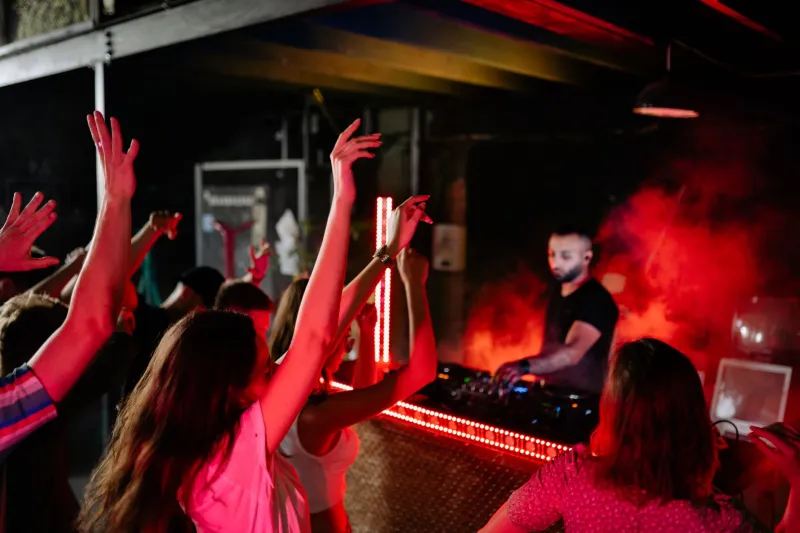
Built Different: The TikTok-Era DJs Rewriting the Rules of American Nightlife
Not that long ago, the path to DJ stardom was pretty straightforward — if brutally slow. You spent years playing dive bars and late-night residencies, built a local following the hard way, got your tracks into the right hands, and maybe, maybe, you landed a festival slot after a decade of grinding.
That path still exists. But right alongside it, a completely different highway just opened up — and a whole new generation of DJs is flooring it.
The New Origin Story
Meet the bedroom-to-main-stage generation. These are the DJs who went viral on TikTok at 19, had 200,000 Instagram followers before they played their first ticketed show, and booked a Coachella side stage appearance before most traditional DJs had finished paying their dues at local clubs.
Artists like Mia Carucci, who built her following posting genre-blending mixing videos from her dorm room at NYU, or Zane Cortez, a 22-year-old from Houston whose hyperpop-meets-Jersey-club edits racked up millions of views before he ever touched a professional sound system, represent a fundamentally new kind of music career trajectory.
For this generation, the audience came first. The bookings followed.
A Different Relationship With the Crowd
Here's the thing that separates Gen Z DJs from almost every previous generation: they know their audience personally. Or at least, it feels that way — and in entertainment, feeling is everything.
Traditional DJ culture was built on mystique. The DJ was elevated, literally and figuratively, behind the booth. The crowd looked up. The music came down. There was a separation that felt intentional and important.
Gen Z DJs blew that wall up. When you've been posting "get ready with me" videos before your sets, sharing your track selection process on Stories, and responding to comments from fans in the Midwest who drove three hours to see you — the relationship is completely different. The audience doesn't feel like they're watching a performer. They feel like they're hanging out with someone they already know.
Venues and promoters are starting to notice how dramatically this changes the energy in a room. Club managers in cities like Miami, New York, and Chicago have reported that Gen Z DJ nights feel less like traditional club nights and more like communal events — crowds that are there specifically for this person, not just for a night out.
The Sound Is Different Too
It's not just the marketing that's changed. The music itself reflects a generation that grew up with unlimited access to every genre simultaneously.
Where older DJ generations often built careers around mastering a single sound — house, techno, drum and bass — Gen Z DJs are almost allergic to genre loyalty. A set from one of these artists might move from UK garage to cumbia to hyperpop to classic 2000s emo samples within 45 minutes, and somehow it all flows.
This isn't just eclecticism for its own sake. It reflects how this generation actually consumes music. Spotify algorithms, YouTube rabbit holes, and TikTok's chaotic audio landscape mean that a 20-year-old in 2024 has been exposed to more genres in their lifetime than most record collectors from previous decades encountered in their entire careers.
The mixing itself has also evolved. Short-form video culture rewards immediate impact — you have about three seconds to hook someone before they scroll. That instinct has carried over into how Gen Z DJs structure their sets. Transitions are faster, energy peaks come more frequently, and the patience for long, gradual buildups has shortened considerably.
Some purists aren't thrilled about this. But the crowds? They're going absolutely wild.
What Venues and Promoters Need to Understand
If you're a club owner or festival promoter still operating on old-school booking logic, here's your reality check.
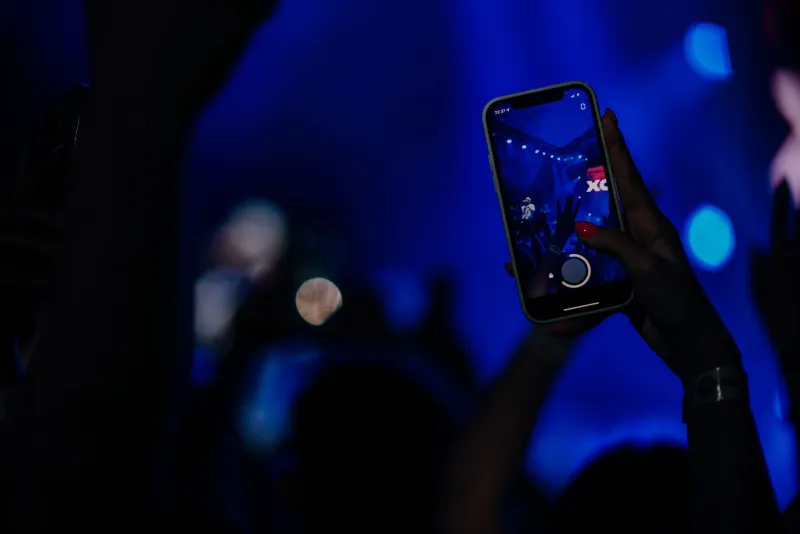
First: follower count is not a vanity metric for this generation. A Gen Z DJ with 500,000 TikTok followers and genuine engagement has a built-in audience that will actually show up, buy tickets, and — crucially — post content from your venue that functions as free marketing to their entire network. The promotional math on these bookings is genuinely different from what it used to be.
Second: these artists often come with their own production preferences, visual aesthetic, and sometimes even their own lighting directors. They've built a brand on social media that extends beyond the music, and they expect the live experience to reflect that brand. The days of showing up with a USB drive and expecting a generic booth setup are fading fast.
Third — and this one's important — Gen Z audiences are not loyal to venues. They're loyal to artists. If a club books a Gen Z DJ for a residency and then treats the artist poorly or doesn't support the visual and social elements that made them famous, those fans will simply follow the artist somewhere else. The power dynamic has shifted.
The Gatekeeping Problem (And How It's Getting Solved)
Not everything about this new landscape is smooth. The traditional DJ industry has been slow to fully embrace artists who built their careers outside conventional channels, and there's still real gatekeeping happening at the highest levels.
Some established booking agencies have been reluctant to sign artists whose fanbase exists primarily online, uncertain whether digital popularity translates to ticket sales. Some festival programmers still default to familiar legacy names over emerging Gen Z talent, even when the numbers don't support that instinct.
But the artists are finding workarounds. Self-managed tours booked directly through social media. Pop-up events announced 48 hours in advance that sell out in minutes. Collaborative shows where multiple Gen Z DJs pool their audiences for events that rival mid-tier festival stages in attendance.
The infrastructure is being built in real time, and it doesn't necessarily need the old gatekeepers to function.
What Comes Next
The most exciting — and unpredictable — thing about this generation of DJs is that they're still figuring it out. The artists who went from bedroom to main stage in two years are now navigating questions that nobody has a playbook for: How do you maintain authenticity with a massive audience? How do you keep the music evolving when your fans expect a specific sound? How do you build a sustainable career when the social media landscape could look completely different in three years?
These are hard questions. But if there's one thing Gen Z has demonstrated, it's a remarkable ability to adapt to platforms, audiences, and industries that change faster than anyone can predict.
The instant dance party — that spontaneous, communal, joyful explosion of people moving together — has always been the goal. This generation just found a new way to send the invitation.
And judging by the crowds showing up? Everyone's RSVP-ing yes.