No Drinks Required: Meet the Sober Ravers Who Are Having the Best Night in the Room
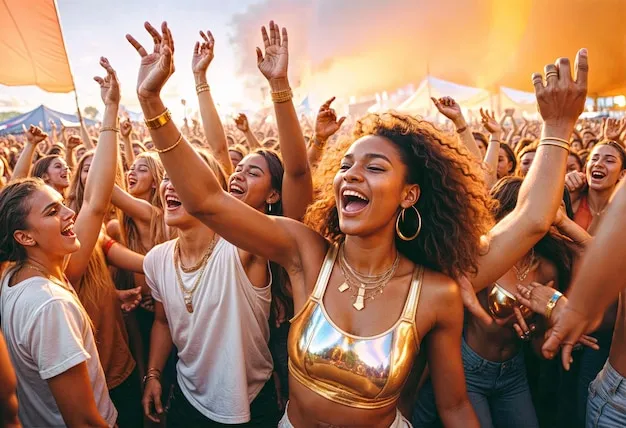
Photo: sober dance party electronic music crowd joyful daytime rave, via img.freepik.com
Kaya has been going to electronic music events in Denver for six years. She's been sober for two of them. "The first time I went to a show without drinking, I was terrified," she says. "I thought I'd just be standing there watching everyone else have fun." She pauses. "I danced harder than I ever had. I remembered every single second of it."
Kaya isn't an anomaly anymore. Across the United States, a quiet but unmistakable movement is reshaping club culture from the inside out — one sober dancer at a time.
A Different Kind of High
Let's be clear about something: this isn't a story about nightlife becoming sanitized or the fun police taking over. The sober and sober-curious movement in American dance culture is not about removing the euphoria. It's about finding it through different means.
And apparently, for a rapidly growing number of people — especially in the Gen Z demographic — music alone is doing the job.
Events like Morning Gloryville (which has hosted sober dance parties in cities including New York and San Francisco) and the growing network of "conscious clubbing" nights popping up in Chicago, Austin, LA, and beyond are proving that the demand is real. These aren't niche wellness retreats. Some are pulling hundreds of people onto the floor at 6 a.m. for electronic music sets with zero alcohol in sight.
The question isn't whether sober nightlife exists anymore. It's why it's growing so fast, and what it's doing to the culture around it.
Gen Z Didn't Get the Memo About Drinking
The generational data is hard to ignore. Studies consistently show that Gen Z drinks significantly less than previous generations did at the same age. They're more likely to be sober-curious, more likely to have watched a parent or older sibling wrestle with substance issues, and more likely to value mental clarity as part of their identity.
But Gen Z also loves electronic music. They're filling festival grounds and club floors in numbers that keep the industry alive. They just increasingly want to do it without the hangover — or the blackout.
"My generation talks about mental health constantly," says Marcus, a 24-year-old DJ based in Atlanta who plays sober-friendly events alongside his regular club bookings. "We're not trying to escape ourselves. We want to actually be present in the experience."
For promoters paying attention, that's not a threat to business. It's a market.
DJs Are Adapting — And It's Making Them Better
Here's something nobody talks about enough: playing for a sober crowd is a different skill set, and the DJs who've figured it out say it's made them sharper.
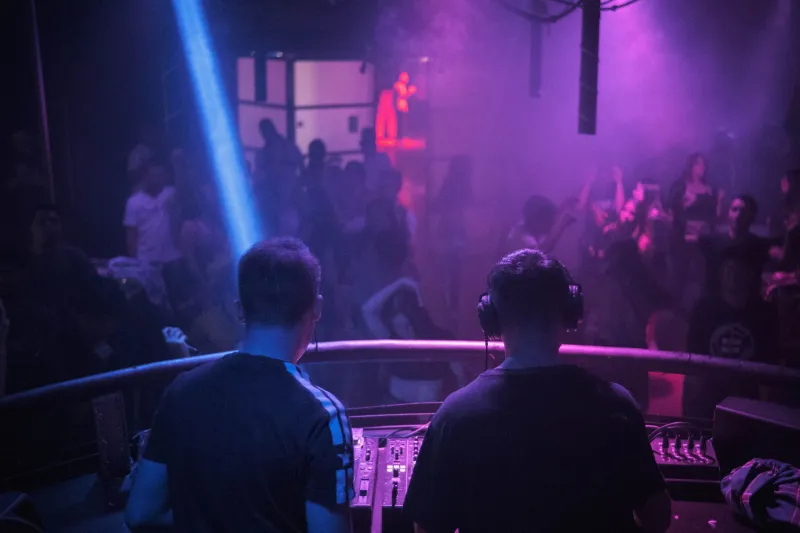
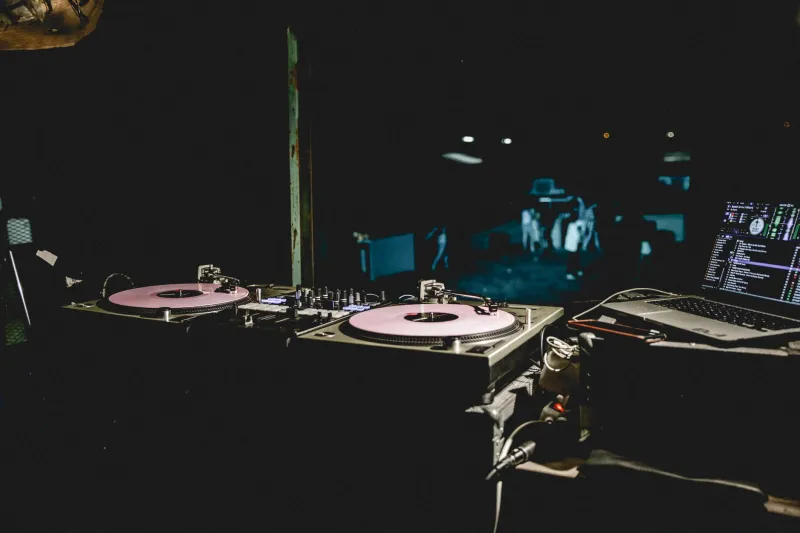
When nobody in the room is chemically lubricated, the DJ can't coast on the crowd's altered state. Every transition matters. Energy management becomes surgical. You can't drop a mediocre record and expect the substances to carry it. The music has to do all the work.
"It's the most honest feedback loop you'll ever have," says one LA-based DJ who regularly plays at sober events in Silver Lake. "If the floor empties, it's on you. There's nowhere to hide. But when you get it right, and you watch 200 sober people completely lose themselves in a record — that's the realest thing I've experienced behind the decks."
Promoters running these events have also noticed that sober crowds tend to arrive on time, stay longer, and engage more deeply with the music. They're not pre-gaming in the parking lot. They're there for the set.
The Tech Helping People Feel the Music Differently
One of the most fascinating corners of this movement is the technology being developed to help sober dancers access the full-body experience that's usually associated with altered states.
Haptic wearables — devices worn on the wrist, chest, or back that translate bass frequencies into physical vibrations — are gaining traction in the dance community. Originally developed for deaf and hard-of-hearing audiences to experience music physically, these devices are finding a new audience among sober ravers who want to feel the drop in their bones without anything else in their system.
On the sound design side, engineers and DJs are experimenting with spatial audio and binaural mixing techniques specifically calibrated to induce flow states. Some events are investing in full surround-sound installations that wrap the dancer in sound from every direction — an experience that, by most accounts, doesn't need chemical enhancement to feel transcendent.
A handful of forward-thinking venues have also started experimenting with lighting design that mirrors the pacing of a DJ set more intentionally, creating visual environments that deepen the psychological immersion of the music without relying on crowd intoxication to fill the gaps.
The Community Side of Sober Clubbing
Maybe the most underreported part of this story is what happens socially when you take substances out of the equation.
Nightlife has always been about connection — finding your people in a dark room with a shared soundtrack. But alcohol and other substances have a way of flattening those connections. Conversations get sloppier. Memories get patchy. The intimacy feels real in the moment and then dissolves by morning.
Sober events, by contrast, tend to generate a different quality of social interaction. People actually remember the conversations they had. They remember the DJ set. They remember the specific moment a record hit and they looked at a stranger and both just knew.
"I've made more genuine friends at sober events than anywhere else," Kaya says. "There's a vulnerability to it. You're just there. No armor."
That vulnerability is becoming a selling point. Some promoters are leaning into community-building infrastructure — pre-event meetups, group chats, post-party brunches — that turns a single night out into something more ongoing.
What This Means for the Dance Floor
Nobody is predicting that alcohol or substances are disappearing from American nightlife anytime soon. The culture is too layered, too varied, too deeply embedded for that. But the sober movement is carving out real, permanent space inside a scene that once treated sobriety as an afterthought.
For DJs, it's raising the bar. For venues, it's opening up new revenue models — premium non-alcoholic cocktails, experience-focused pricing, daytime event windows that don't compete with traditional club hours. For the broader culture, it's expanding the definition of what a great night out actually looks like.
You don't need anything in your glass to lose yourself in the music. Some people are figuring that out for the first time. And once they do, they tend not to look back.