Scroll to Stage: How Going Viral on TikTok Became the New Festival Booking Résumé
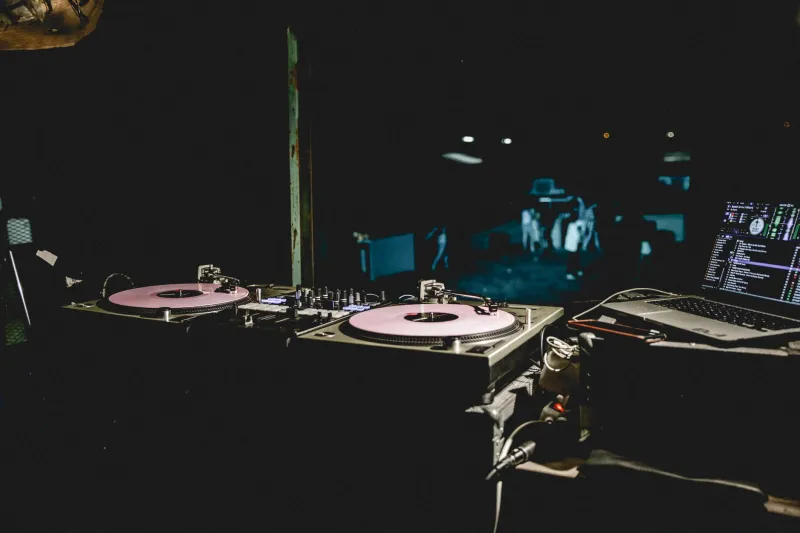
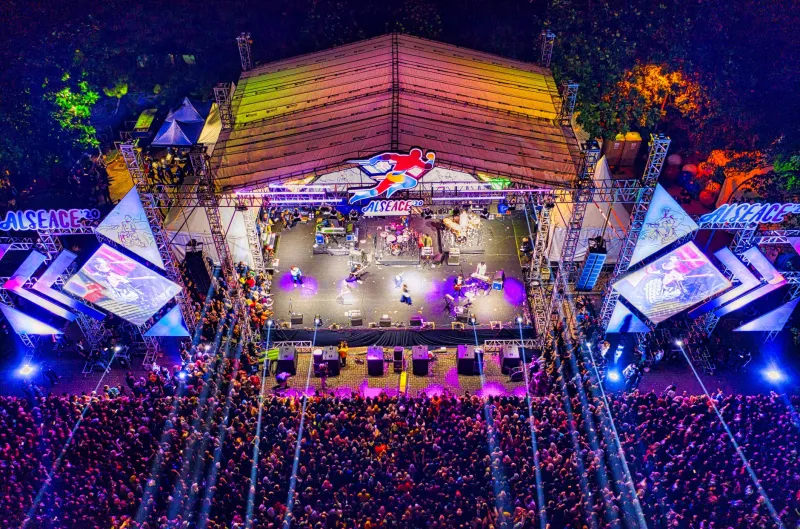
Somewhere between a DJ's bedroom setup and the main stage at a 50,000-person festival, there used to be a long, grinding road. Years of residencies. Stacks of demos sent to labels that never wrote back. Relationships built slowly over hundreds of small-venue nights. The gatekeepers were real, and they were everywhere.
That road still exists. But there's a new shortcut, and it runs directly through your For You Page.
In the last three years, TikTok has quietly — and then very loudly — restructured the way festival promoters discover and book emerging talent. What was once a slow-burn process driven by industry insiders and booking agents is now increasingly a numbers game played out in public, in real time, in fifteen-second clips. And depending on who you ask, that's either the best thing that's ever happened to the festival circuit, or a warning sign that something important is getting lost.
The Algorithm as Talent Scout
Let's be clear about what's actually happening here. Major festival promoters and their booking teams — the people who put together lineups for events like Governors Ball, Rolling Loud, and Electric Forest — are absolutely monitoring TikTok. Not casually. Deliberately.
It makes complete sense from a business perspective. A track that racks up 8 million views isn't just a vanity metric. It's proof of an existing audience, a built-in marketing story, and evidence that a particular sound is connecting with exactly the demographic that buys festival tickets. For promoters, booking an artist who already has a viral moment is lower risk than betting on an underground name that only the most plugged-in heads have heard of.
Booking agent and industry consultant Priya Nair has watched this shift happen in real time. "Five years ago, I'd pitch an artist based on their Resident Advisor score, their Beatport chart positions, their residency history. Now the first thing a promoter asks me is their TikTok numbers. It's not the only factor, but it's often the first filter."
That first filter is doing a lot of work.
The Artists Who Cracked the Code
There are real success stories here, and they're worth taking seriously. Artists like Sippy, Peekaboo, and more recently a wave of bedroom producers who built their audiences entirely through short-form content before ever playing a major stage — they've used TikTok not just for exposure, but as a genuine launch pad.
The format rewards a specific kind of creativity. A clip of a DJ dropping an unexpected mashup in their bedroom, a producer showing the behind-the-scenes construction of a viral sound, a moment where the music and the visual land perfectly together — these things spread in ways that a SoundCloud link simply doesn't. And when they spread, they spread to exactly the right people: young, music-obsessed, festival-going audiences who are already looking for their next obsession.
For artists without industry connections or the budget for traditional PR, that's genuinely leveling the playing field. A 22-year-old producer in Tulsa now has a real path to a festival slot that didn't exist in any meaningful way before 2020. That's not nothing. That's actually a big deal.
The Part Nobody Wants to Talk About
Here's where it gets complicated, though.
The skills required to go viral on TikTok are not the same skills required to hold down a two-hour festival set. Crafting a fifteen-second clip that explodes on the algorithm is a genuine talent — but it's a content creation talent, not necessarily a performance talent. And when promoters use social metrics as a primary booking criterion, they're sometimes optimizing for the former while assuming it comes with the latter.
Veteran DJs who came up through the traditional route are noticing. "I've seen artists get booked for stages they're not ready for," says one DJ who's played major festivals across the US for over a decade and asked not to be named. "And the crowd knows. You can feel when someone doesn't have the experience to read a room, to manage energy over a full set. A viral clip doesn't teach you that. Playing to fifty people at 2am for three years teaches you that."
There's also a homogenization risk that's worth naming. When the algorithm rewards certain sounds and aesthetics — the ones that clip well, that hit fast, that work in short bursts — it creates pressure for emerging artists to make music that performs on TikTok rather than music that might take three listens to fully land. The festival lineup starts reflecting the For You Page rather than the underground. And the underground, which has always been where the most interesting stuff in electronic music lives, gets a little quieter.
What Attendees Are Actually Experiencing
For the people in the crowd, this shift is producing genuinely mixed results.
On one hand, festival lineups are more diverse and surprising than they've been in years. Artists from outside the traditional electronic music pipeline — producers with hip-hop roots, bedroom pop artists with a dance edge, niche-internet acts with obsessive fanbases — are showing up on bills alongside established names. That cross-pollination is creating some genuinely electric moments.
On the other hand, there's a growing complaint among longtime festival-goers that sets are feeling shorter, more curated for the highlight reel, and less adventurous. When an artist knows their festival performance is going to generate social content, there's an incentive to play the hits — or more precisely, the moments — rather than take the kind of risks that make a set truly memorable.
The festival experience, at its best, is about being transported somewhere you couldn't have anticipated. That's hard to engineer when everyone is optimizing for the clip.
So Is This a Good Thing or Not?
Honestly? It's both, and pretending otherwise flattens something that's actually nuanced.
The democratization is real and meaningful. The concerns about depth and longevity are also real and meaningful. What the TikTok-to-festival pipeline has done is accelerate everything — discovery, exposure, booking, audience-building — in ways that create opportunities for some artists and shortcut the development process for others.
The artists who are going to thrive long-term in this environment are probably the ones who can do both: build an online presence that gets them in the room, and then deliver a live performance that justifies the booking. Those people exist. There are more of them than the skeptics want to admit.
But the culture is also going to have to keep making space for the artists who don't crack the algorithm — the ones whose music is too slow-burning, too weird, too specific to translate to a fifteen-second clip. Because historically, that's exactly where the most important stuff comes from.
The party is bigger now. The question is whether it's getting better.