Warm-Up Duty: The Loneliest Gig Behind the Decks
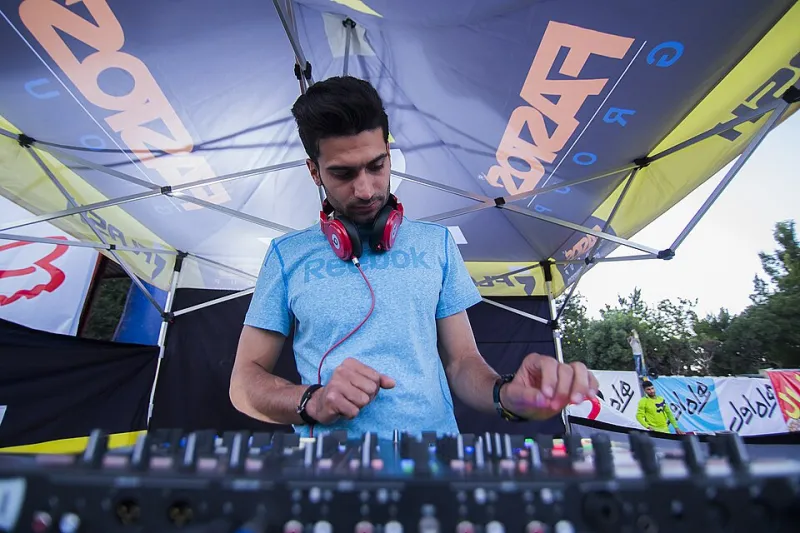
Photo: Mostafameraji, CC BY-SA 4.0, via Wikimedia Commons
It's 10:15 PM at a warehouse spot in Chicago and the dance floor holds maybe thirty people, most of them scrolling their phones near the bar. On stage, a DJ is mixing anyway — smooth, patient, playing to nobody. This is the opening slot, and according to almost everyone who's done it, it's the hardest job in dance music.
Playing to an Empty Room
The math of the warm-up is brutal. Headliners inherit a crowd that paid to see them. Openers get whoever showed up early, plus the door staff, plus the sound engineer eating a slice of pizza in the back.
"You're basically a therapist for a room with anxiety," says Maya Ruiz, a Denver-based DJ who spent four years opening before landing her own headline gigs. "Nobody's ready to go yet. They just got off work, they're checking the vibe, they don't want to commit. Your job is to make them commit without them noticing."
That's the paradox of the warm-up set: the better you do it, the less anyone remembers you did anything at all. A great opener builds a mood so gradually that the crowd never experiences a moment of "okay, now we dance." They just... are dancing. And they'll credit the headliner.
The Skill Nobody Teaches
Ask veteran headliners and they'll tell you the same thing: plenty of producers can play a peak-time set. Very few can play 11 PM on a Tuesday.
"I can tell within two records if an opener gets it," says one touring artist who plays the festival circuit. "The ones who don't get it drop their biggest track at 10:40 to an empty floor, then have nothing left to build toward. The ones who get it? They're playing records that sound small and safe until you realize twenty minutes in that the whole room is moving."
The unwritten rules of the warm-up read like a monastic code:
- Never outshine the headliner. Play their genre's neighbors, not their genre's peaks.
- Start below the energy of the room. If the crowd is at a two, play a one and a half.
- Earn energy, don't demand it. Every track should make the next one hit harder.
- Leave them wanting the headliner. Your success is measured by how badly the crowd wants someone else.
It's a skill set built on restraint, and restraint is rare in a scene that celebrates the drop.
The Stepping Stone Problem
Here's the structural issue: opening slots pay little, get booked late, and rarely get promoted. The opener's name is at the bottom of the flyer in the smallest font. Yet without them, the headliner walks into a cold room and has to spend their first hour doing the work the opener should have done.
Some US scenes are starting to fix this. Promoters in Detroit and Portland have begun giving openers longer sets — 90 minutes to two hours instead of the standard 45 — on the theory that a warm-up is an arc, not a formality. A few venues now list openers on tickets and posters at equal size, betting that a loyal opener brings their own early crowd.
And for the DJs themselves, the path forward is usually the same: warm up so well for so long that the promoter has no choice but to hand you a headline slot. Ruiz calls it "the slowest promotion in America."
"Every great headliner I know was a great opener first," she says. "The booth doesn't care about your SoundCloud. It cares about whether you can read a room. And nothing teaches you to read a room like playing to one that isn't there yet."
So next time you roll into the venue at 11:30, catch the last twenty minutes of the opening set. Somebody spent an hour building the exact energy you just walked into. The least you can do is dance in it.