Four Walls, Infinite Possibilities: How US Bedroom Producers Are Building Careers One Plugin at a Time
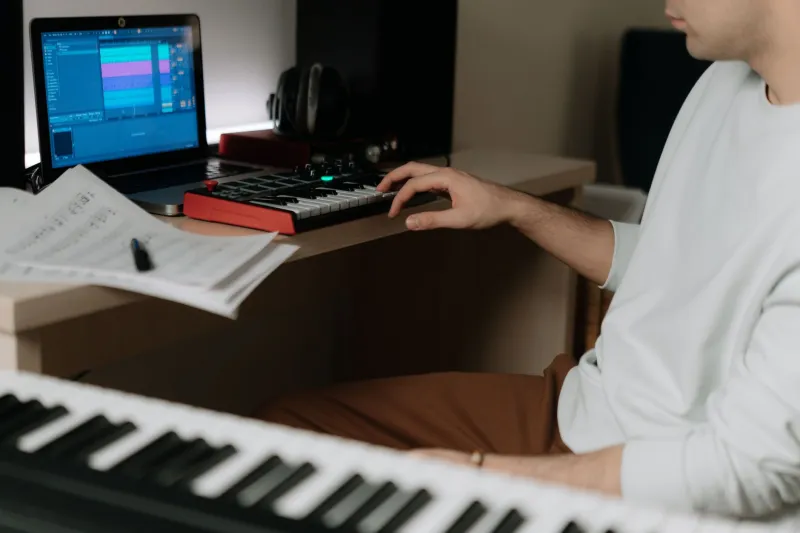
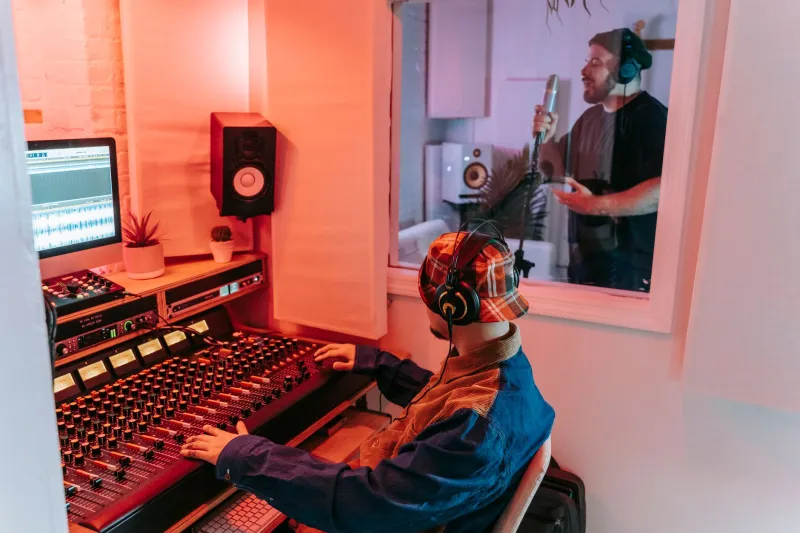
Somewhere in a suburb outside of Atlanta, a 22-year-old named Marcus has turned his closet into a vocal booth using moving blankets and a shower curtain rod. His desk holds a used Focusrite Scarlett interface, a pair of KRK Rokits he bought secondhand off Facebook Marketplace, and a laptop running Ableton Live. He's been at it for three years. Last month, he played his first paid club gig in Brooklyn.
Marcus isn't an anomaly. He's a data point in one of the most significant shifts in electronic music's history — the democratization of production, where the tools that once cost tens of thousands of dollars in a professional studio now fit on a desk in a spare bedroom and run on a subscription that costs less than a streaming service.
The Gear Gap Is Closing Fast
Ten years ago, building a home studio capable of producing club-ready electronic music required a serious investment. Outboard gear, mixing consoles, acoustic treatment, professional software licenses — the barrier to entry was high enough to filter out everyone except the truly committed or the financially privileged.
That barrier is largely gone now. Ableton Live, FL Studio, and Logic Pro have become the holy trinity of bedroom production software, each offering professional-grade capabilities at accessible price points. Ableton's Intro tier runs around $100. FL Studio's Producer Edition is a one-time purchase under $200. Logic Pro is $200 and exclusively available for Mac, but for Apple users it's one of the best deals in music software.
On the hardware side, an audio interface — the piece of gear that connects your instruments and microphones to your computer — can be had for under $120 with the Focusrite Scarlett Solo. A MIDI controller for playing in melodies and triggering samples starts around $50. Studio monitor speakers, which give you the accurate sound representation you need for mixing, run from $150 to $300 for a beginner pair.
All-in, a functional home studio setup that can produce professional-sounding electronic music is achievable for under $1,000. For a lot of aspiring producers, that's still a significant number — but it's a fraction of what it used to be, and it's a one-time investment rather than an ongoing studio rental fee.
The Software Ecosystem That's Raising the Floor
Beyond the DAW (digital audio workstation), the plugin ecosystem has exploded in ways that directly benefit bedroom producers. Free plugins from developers like Vital, LABS by Spitfire Audio, and OB-Xd give producers access to high-quality synthesizers and sample libraries at zero cost. Native Instruments' Komplete Start bundle — also free — includes a staggering amount of professional-grade instruments and effects.
For producers who want to go deeper, subscription services like Splice offer access to hundreds of thousands of sample packs and preset libraries for around $10 a month. Splice also offers rent-to-own pricing on premium plugins, letting producers spread the cost of industry-standard tools like Serum or Omnisphere over time.
The result is a production environment where the difference between a bedroom setup and a professional studio setup is narrowing to the point where trained ears sometimes can't tell the difference on a finished track.
Community as Infrastructure
For producers coming up outside of major music cities, community has become as important as gear. Online spaces have filled the mentorship gap that used to require physical proximity to a scene.
Reddit's r/edmproduction community has over 500,000 members sharing feedback, tutorials, and technical advice. Discord servers organized around specific genres — tech house, drum and bass, ambient techno — have become tight-knit creative communities where producers share works-in-progress and get brutally honest feedback from peers who care about the same sounds.
YouTube has become the de facto university for music production education. Channels like In The Mix, Underdog Electronic Music School, and countless genre-specific tutorial creators offer free instruction that rivals what you'd get in a formal audio engineering program. Producers coming up right now have access to a volume of educational content that simply didn't exist five years ago.
"I learned basically everything from YouTube and Discord," says Priya, a 25-year-old house producer from the Chicago suburbs who now regularly plays sets in the city. "I never had a teacher. I had a community."
From Bedroom Tracks to Boiler Room Sets
The pipeline from bedroom producer to club act has compressed dramatically, and SoundCloud remains the critical first platform in that journey for electronic music specifically. A track that connects on SoundCloud can generate the kind of organic attention that leads to a Resident Advisor premiere, a playlist placement, or a booking inquiry — all without label involvement.
TikTok has accelerated this even further. Short clips of production process videos — showing the creation of a compelling drop, a satisfying chord progression, or an unusual sound design technique — routinely go viral and translate directly into SoundCloud follows and Spotify streams. Producers who understand how to document their process for social media have an enormous advantage over those who only focus on the music.
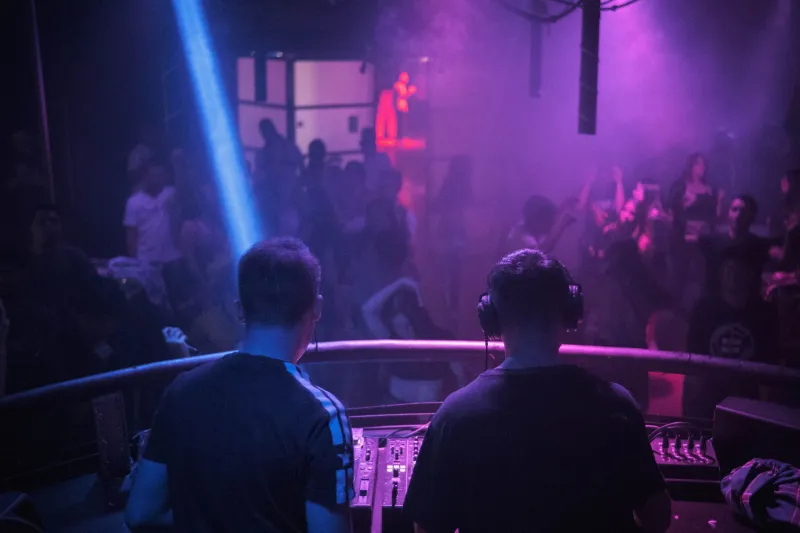
Boiler Room, the live-streamed DJ and live performance platform, has become a kind of aspirational milestone for bedroom producers — a signal that you've crossed from internet presence to legitimate live act. Several US producers have made that jump in recent years with minimal traditional industry support, relying instead on social media momentum and scene reputation.
What It Actually Takes
The gear is accessible. The software is affordable. The community exists. But producers who've made the transition from bedroom to stage are consistent about one thing: none of it matters without the hours.
"The tools are the easy part," says Derek, a 27-year-old techno producer from Detroit who started in his dorm room and now plays regularly at clubs in New York and LA. "The hard part is making 200 bad tracks before you make one good one, and being okay with that process."
The democratization of production technology hasn't made it easy to build a career in electronic music. What it's done is remove the excuse that you can't get started. The bedroom is the studio. The laptop is the gear. The community is everywhere. The next wave of US electronic talent is already in there, headphones on, figuring it out — four walls and infinite possibilities.