Streams Before Stages: How Festival Bookers Are Letting the Data Pick Your Next Favorite DJ
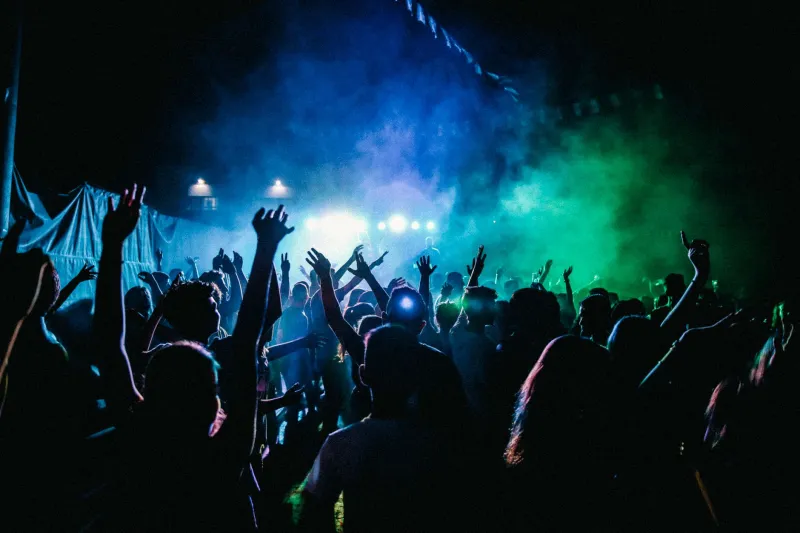
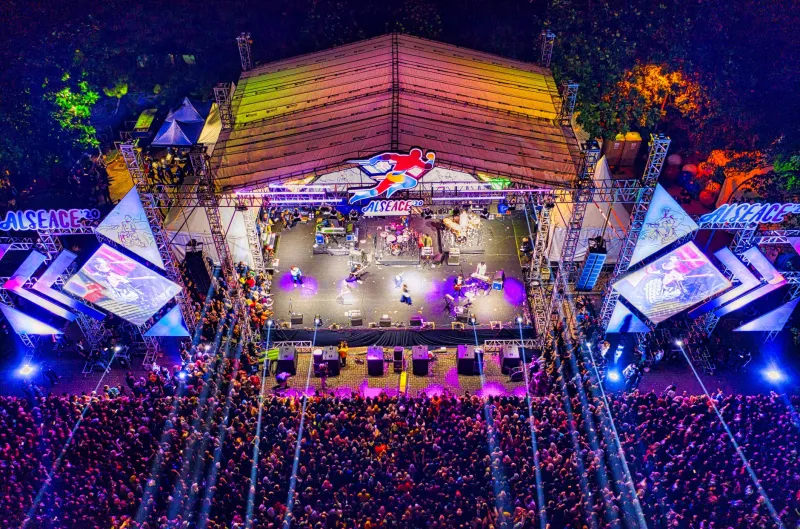
There's a moment every seasoned festival-goer knows well — that feeling when you're standing in front of a stage at 2 a.m., watching some artist you'd never heard of six months ago absolutely destroy a crowd of thousands. It feels like magic. Like discovery. Like the universe just handed you something rare.
But here's the thing: that moment might have been engineered by a spreadsheet.
Festival booking has quietly entered a new era, one where streaming analytics, playlist placement data, and algorithmic trend forecasting are sitting right alongside the gut instincts of veteran promoters. The question isn't whether data is influencing lineups anymore — it absolutely is. The real question is what that means for the culture.
The Dashboard Behind the Lineup
Spotify for Artists and Apple Music for Artists give musicians detailed insight into who's listening, where, and how often. But those same tools — and more sophisticated versions of them — are being used by booking agencies and festival promoters to identify momentum before it becomes mainstream noise.
Think of it like catching a wave before it crests. If an underground house producer from Detroit is seeing a 300% spike in monthly listeners over 90 days, with heavy streaming density in cities like Chicago, Los Angeles, and New York, that's a signal. Not a guarantee, but a signal. Promoters are increasingly treating that kind of data the way a stock trader treats early market movement.
Third-party platforms like Chartmetric and Soundcharts have made this even more accessible. These tools aggregate streaming numbers, social media growth, playlist adds, and even TikTok sound usage into digestible artist scores. Booking teams at mid-size and major festivals are using them to build what some in the industry call a "discovery shortlist" — artists who aren't household names yet but whose data trajectory suggests they're about to be.
What the Numbers Can't Tell You
Here's where it gets complicated. Streaming data is extraordinarily good at measuring what's already happening. It's less reliable at predicting the ineffable energy of a live DJ set.
A producer might have two million monthly Spotify listeners and zero ability to hold a dance floor for three hours. Conversely, some of the most electric live performers in the underground circuit have deliberately avoided chasing streaming numbers, keeping their releases limited to vinyl and Bandcamp drops that don't register the same way in algorithmic systems.
This creates a real tension. The artists who play the streaming game well — releasing frequently, landing playlist placements, keeping their metadata clean — get surfaced by the data. The ones who don't, regardless of how hard they go in a club setting, risk becoming invisible to the new generation of data-reliant bookers.
Veteran promoters will tell you there's still no substitute for actually being in the room. Going to the shows, watching crowd response, talking to DJs in the green room — that kind of intelligence doesn't live in a dashboard. But with festivals scaling up and booking teams stretched thin across multiple events, it's increasingly hard to be everywhere at once. Data fills the gap.
The Underground Producer's Dilemma
For emerging artists, this shift is a double-edged situation. On one hand, streaming data creates a kind of meritocracy that didn't exist before. An unknown producer grinding out releases from a home studio in Atlanta can now generate listener metrics that get them on a booker's radar without needing the right industry connections or a co-sign from an established name.
On the other hand, optimizing for algorithmic visibility requires a specific kind of hustle that pulls artists away from the creative work itself. Releasing music on a schedule that feeds Spotify's recommendation engine, crafting tracks that fit into popular playlist moods, staying active across platforms to boost engagement scores — all of that takes time and energy that used to go into the music.
There's a growing conversation in underground electronic communities about whether this pressure is subtly homogenizing the sound. If the data rewards a certain tempo range, a certain emotional register, a certain track length — and artists start unconsciously shaping their output around those parameters — the diversity that makes underground dance music so vital could quietly erode.
When the Algorithm Gets It Right
To be fair, data-driven booking has also produced some genuinely exciting outcomes for festival culture.
Streaming analytics have helped promoters identify artists with passionate, geographically concentrated fanbases — the kind of deeply loyal listeners who will actually travel to see someone perform. That's valuable information. A smaller artist with 50,000 monthly listeners, all concentrated in a single metro area, might be a smarter local stage booking than a bigger name whose fanbase is diffuse and passive.
Data has also helped diversify lineups in meaningful ways. When streaming numbers reveal strong listener engagement from demographic groups that have historically been underrepresented at certain festivals, forward-thinking promoters have used that as a mandate to actively seek out artists from those communities. The numbers don't just predict — they can also challenge assumptions.
The Human Element Isn't Going Anywhere
Talk to anyone who's been booking talent for more than a decade and they'll tell you the same thing: data is a tool, not a decision-maker. The best bookers are using analytics to surface possibilities, then applying old-school judgment to filter them.
The artists who tend to break through in this environment are the ones who understand both sides of the equation — who make music that resonates on a human level while also engaging with the platforms and systems that amplify that resonance. That's not selling out. That's just understanding the landscape.
For festival fans, the honest takeaway is nuanced. The lineups you're seeing are increasingly shaped by algorithmic signals, but the best promoters are using those signals as a starting point, not an ending point. The magic of stumbling onto an unknown act who blows your mind at 2 a.m. is still very much possible — it might just be that the data helped put them there.
And maybe that's okay. If the spreadsheet pointed someone toward the artist who changed your life on a Tuesday night in a field somewhere, does the origin story really matter?
The party started. That's what counts.