Party Without a Curfew: How Festival Culture Is Rewiring the American Night Out
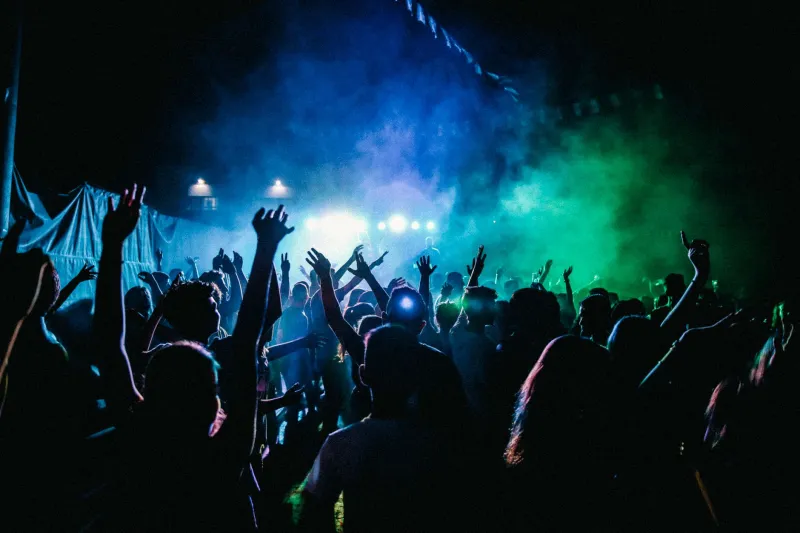
Remember when a night out had a natural finish line? Headliner drops the last track, lights come up, you stumble to the parking lot. That was the deal. Clean, simple, over.
Not anymore.
Something shifted in the last few years — and if you've been paying attention to how Americans party, you've felt it. The crowd doesn't want to go home. They refresh livestream links at 3 a.m. They book Ubers to afterparties in warehouse districts they'd never otherwise visit. They spend Sunday morning watching festival recap reels instead of sleeping. The night, as a concept, has gotten a lot longer.
The Festival Brain Is a 24-Hour Brain
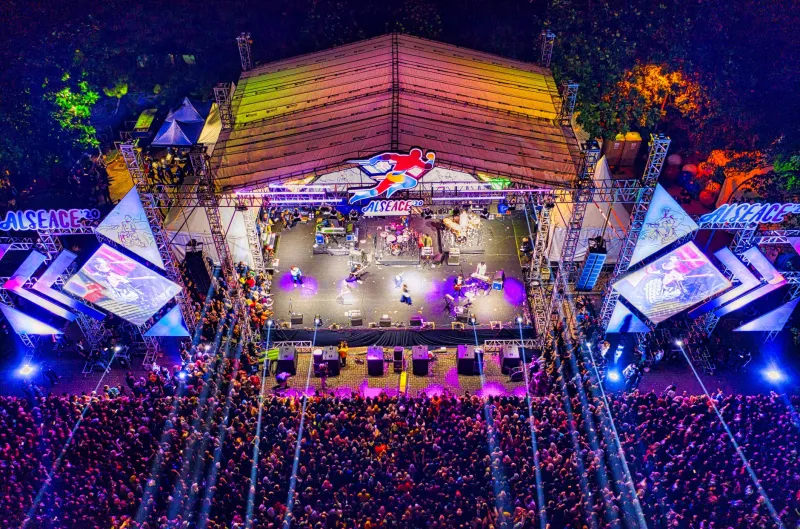
It starts with multi-day festival culture. Events like Electric Daisy Carnival, Movement in Detroit, and Imagine Festival don't just sell you a Saturday night — they sell you an entire weekend-long identity. When you're camped outside a venue for three days, the idea of a hard stop becomes almost offensive. The party is a lifestyle, not an event.
"People come to these festivals and they recalibrate completely," says Marcus Delray, a Chicago-based promoter who runs afterparty programming for several mid-sized Midwest festivals. "By Sunday they're operating on a different clock. When they get home, they want to recreate that feeling — and they're genuinely confused when local venues can't deliver it."
That confusion is driving real behavioral change. Younger audiences — particularly Gen Z and younger millennials — are actively seeking out experiences that mirror the continuous-flow energy of a festival weekend. They're not satisfied with a 10 p.m. to 2 a.m. window. They want the warm-up DJ, the headliner, the afterparty, and maybe a sunrise set if someone can pull it off.
Livestreams Changed the Geometry of the Night
The pandemic, for all its obvious devastation to the live music industry, accidentally created a generation of fans who learned to party on their own schedule. Boiler Room streams, DJ sets uploaded to YouTube at midnight, festival livestreams running across multiple stages simultaneously — these formats rewired expectations in ways we're still unpacking.
When you can watch a three-hour Peggy Gou set from your couch at 1 a.m. on a Tuesday, waiting for a club to open at 10 p.m. on a Friday starts to feel almost quaint. The audience learned they could access the feeling on their own terms. Now they want physical venues to match that energy.
Samantha Reyes, who books talent for a cluster of venues in Austin, Texas, says she started noticing the shift right after large-scale events came back in 2021. "People were showing up later, staying longer, and asking about what came after. We'd never gotten that question so consistently before. It used to be assumed the night ended at close. Now that's just the beginning of a negotiation."
Clubs and Venues Are Capitalizing — and Getting Creative
Savvy venue operators aren't fighting this energy; they're building around it. In cities like New York, Los Angeles, and Miami, a growing number of clubs are structuring their programming specifically to capture festival spillover crowds. Late-night permits, extended hours on weekends, and curated afterparty lineups that start when other venues close are becoming competitive differentiators.
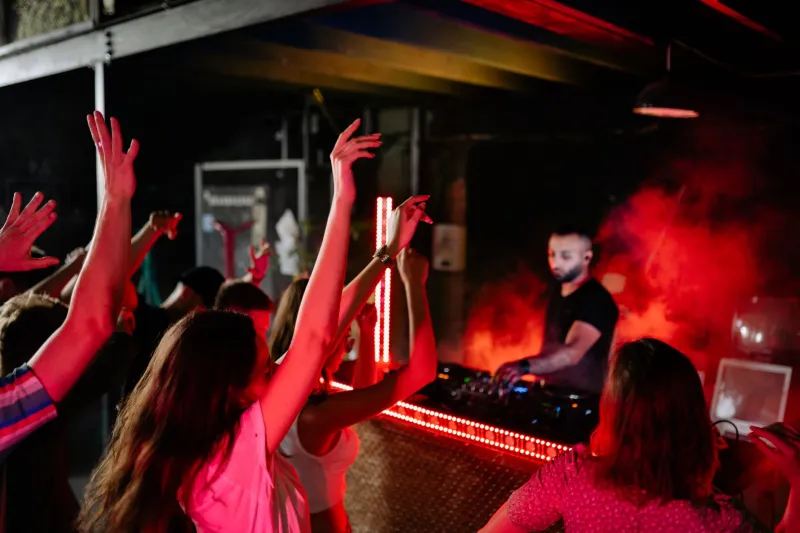
Some venues are going further. Denver's underground scene has seen a surge in loft-style events that run from midnight through early morning, specifically marketed to people who just got back from a festival and aren't ready to land. In Brooklyn, a handful of promoters have built entire brands around the concept of the "second night" — the informal, lower-production gathering that happens after the main event wraps.
"The afterparty used to be a bonus," says DJ and producer Leo Kast, who regularly plays both festival stages and intimate afterparties in the Northeast. "Now it's the whole point for a lot of people. They'll skip the main stage headliner and just come to the afterparty. That's wild to me, but I get it. The energy is different. It's more raw."
The Burnout Question Nobody Wants to Answer
Here's the uncomfortable part of this story: running a 24-hour party mentality has costs, and not just financial ones.
Promoters are navigating genuine tension between feeding the demand and protecting the health of their scenes — and their artists. DJs who play festival stages on Friday night, an afterparty until 8 a.m. Saturday, and another event Saturday evening aren't just tired. They're grinding in ways that the industry doesn't have great infrastructure to support.
Audiences aren't immune either. The pressure to be everywhere — or at least to look like you were everywhere via Instagram Stories — creates its own exhaustion. Festival FOMO is real, and it's not always a fun feeling. Watching a livestream at 2 a.m. because you couldn't afford a ticket isn't the same as being there, no matter how good the stream quality gets.
Delray is candid about what he's seen. "Some of the kids who were going hardest in 2022 and 2023 have completely stepped back. They burned through the experience. The ones who last are the ones who learned to pick their moments instead of trying to catch everything."
What the Party Actually Looks Like Going Forward
The American night out isn't going back to its old shape — that much seems clear. Venues that adapt to the extended-party mentality will compete. Those that don't will lose younger audiences to more flexible, creative operators.
But the sustainable version of this probably isn't a literal never-ending party. It's more likely a scene that gets smarter about pacing — offering depth and variety instead of just more hours. A sunrise set that feels intentional hits differently than a sunrise set that happens because nobody turned the lights off.
The festival brain wants more, but what it actually needs is better. And the venues, DJs, and promoters who figure out that distinction first are going to define what American party culture looks like for the next decade.
The instant dance party is always starting somewhere. The question is whether we can keep showing up for it.