After the Lights Come Up: Why the Real Party Doesn't Start Until the Main Event Ends
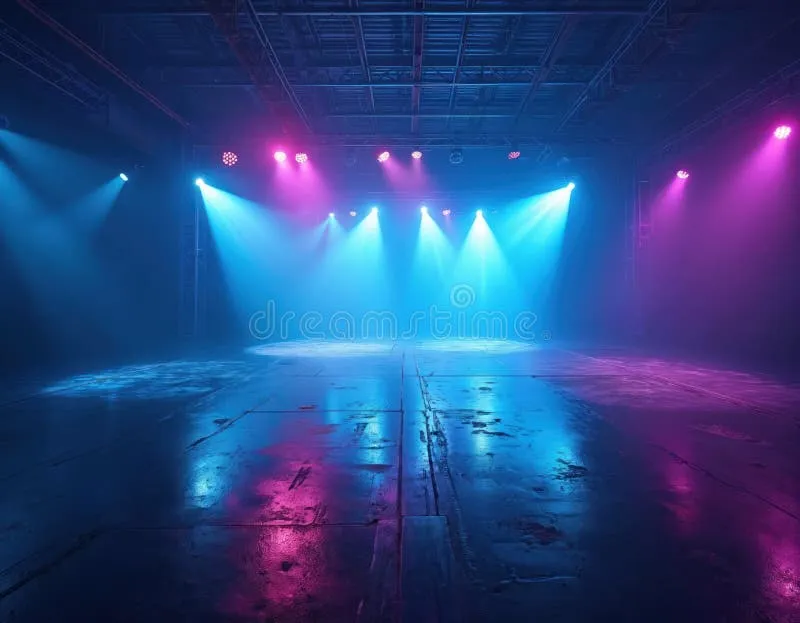
Photo: underground warehouse rave dark dance floor crowd lights, via thumbs.dreamstime.com
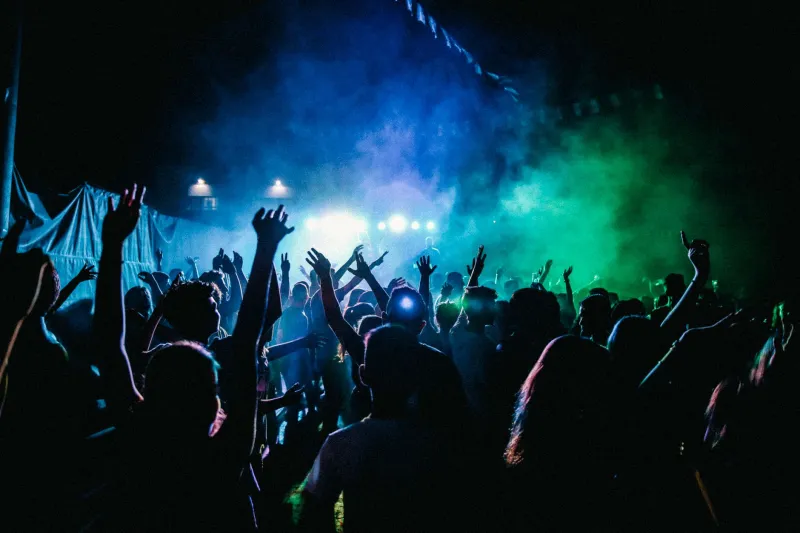
It's 2 a.m. on a Saturday in Brooklyn. The headliner just wrapped. The crowd filters out through the main gate, ride-share apps buzzing, cups still in hand. But a smaller group — maybe a few hundred people who know what's up — doesn't open Uber. They open Signal.
A message drops. An address. A door code. Sometimes just a neighborhood and a color.
Welcome to the afterparty economy.
The Main Stage Is No Longer the Final Word
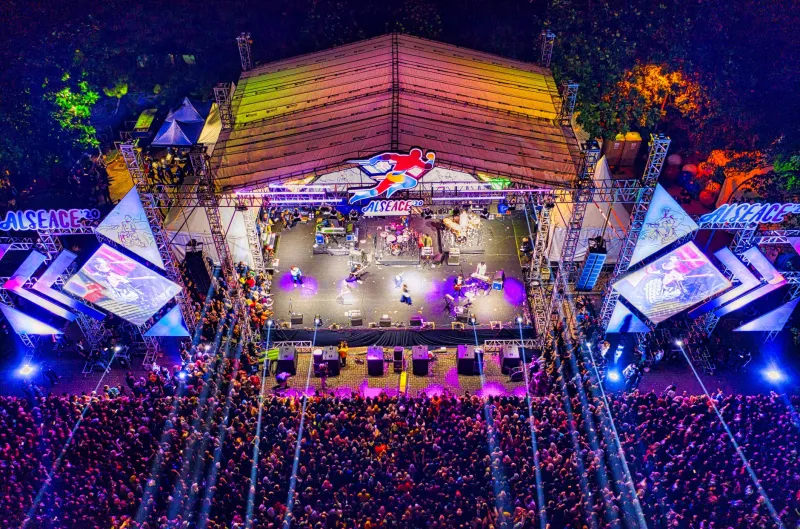
For years, the afterparty was exactly what it sounds like — an extension of the real thing, a wind-down, a chance to keep the energy going a little longer. But something has shifted. In cities like New York, Los Angeles, Chicago, and Miami, the afterparty has quietly become the headline. The warehouse around the corner from the festival grounds. The rooftop in the Warehouse District. The unmarked door in an industrial pocket of East LA that you'd never find without directions.
Promoters have noticed. And they're building entire business models around it.
"The main event is marketing now," says one New York-based promoter who asked to remain anonymous. "People come to the festival, they vibe, they get warmed up. But the real crowd — the people who actually care about the music — those are the ones showing up at 3 a.m. somewhere else."
That "somewhere else" is increasingly sophisticated. We're not talking about someone's apartment with a Bluetooth speaker. These are fully rigged events with professional sound systems, booking budgets, and door policies tighter than most Manhattan clubs.
The Logistics of Going Off the Grid
Organizing a secret event sounds chaotic. In reality, it's an exercise in precision.
The promoters running these underground operations have developed their own infrastructure — one that runs almost entirely outside official channels. Encrypted group chats on Signal or Telegram do the heavy lifting. Lists are curated weeks in advance. Venues are scouted and secured under the radar, often using shell LLCs or renting spaces under the guise of private events to avoid the scrutiny that comes with public-facing nightlife permits.
Some of the most talked-about afterparties in the country happen in spaces that technically shouldn't be hosting dance events at all — loading docks, art galleries between shows, warehouses mid-lease. The appeal is partly the thrill, but it's also deeply practical: no last call, no city-mandated 4 a.m. cutoff, no bouncers with a velvet rope agenda.
Sound is another major investment. Serious afterparty culture has developed an almost obsessive relationship with audio quality. You'll find Funktion-One rigs and custom subwoofer stacks in spaces that look like they should be storing freight. The music isn't background — it's the entire point.
Exclusivity as the New Currency
There's an economic logic here that goes beyond just keeping the party going. Exclusivity has become one of the most valuable commodities in nightlife, and the afterparty economy has figured out how to manufacture it at scale.
Tickets — when they exist at all — often sell through closed networks. Sometimes it's a guest list text, sometimes a QR code that expires in 20 minutes. The scarcity is the product. People talk about these events in the same hushed, reverent tones they once reserved for legendary clubs that no longer exist. Ghost Ship in Oakland's tragedy cast a long shadow over the warehouse scene, and safety has become a genuine conversation among serious promoters — but it hasn't slowed the demand.
For DJs, these events offer something the festival circuit often can't: creative freedom. A 90-minute main stage slot with a mandated BPM ceiling and a crowd of 30,000 is one thing. A four-hour b2b set for 400 people who came specifically because they wanted to hear you play is something else entirely.
"You can actually go somewhere musically," one Chicago-based DJ told us. "You can play the weird stuff. You can let things breathe. The crowd is there because they trust you."
The Money Behind the Movement
Here's where it gets interesting: the afterparty economy isn't just a cultural phenomenon. It's generating real revenue.
Bar tabs at underground events often rival — and sometimes exceed — those at legitimate licensed venues, partly because the crowd skews older and more solvent, and partly because people who feel like they've gotten access to something special tend to spend freely. Promoters who've cracked the model talk about events that clear five figures in a single night on a shoestring production budget.
Sponsorship is creeping in, too. Spirits brands and headphone companies have started quietly aligning with underground events, trading product and cash for the credibility that comes with being part of the scene — without the brand-heavy footprint that would undermine the whole mystique.
What It Means for the Future of Nightlife
The rise of the afterparty as primary destination says something bigger about where American nightlife is heading. The official channels — the permitted clubs, the festival main stages, the ticketed experiences with corporate sponsors and Instagram photo ops — are increasingly feeling like preamble.
The real culture is moving toward smaller, more intentional experiences. Events where the vibe isn't curated for a crowd of thousands but calibrated for the specific hundred people in the room. Where the DJ can actually read the floor. Where showing up feels like being let in on something, not just attending something.
For the serious dance music community, that's not a retreat from nightlife. It's an evolution of it.
The party doesn't end when the venue closes. It just moves somewhere you have to earn your way into.